

How can you ensure visual consistency across a retail chain?
During sales and Black Friday, the volume of signage to produce skyrockets. Discover, through data and testimonials, how display automation helps you handle the peak stress-free and saves teams up to half the time spent on labeling.
How to manage in-store price displays during sales and Black Friday? During sales and Black Friday, the volume of price tags and signs to produce explodes over just a few days. Managing this display peak requires generating and deploying thousands of up-to-date materials, without pricing errors, across the entire store network. Price display automation, connected to product data, allows you to move from exhausting manual labeling to controlled updates in just a few clicks.
For a retail chain, major commercial events are a moment of truth. This is when traffic is at its highest, competition is fiercest, and the slightest pricing error on the shelf comes at a high cost. It is also when the workload for labeling and price displays reaches its peak: tags, signs, shelf talkers, and signage materials must be changed everywhere, almost simultaneously. Here is why this display peak is so difficult to handle, and how automation turns it into a simple formality.
Sales and price displays: a challenge of volume and speed
An event like Black Friday isn't just about changing a few prices. Across a network, it involves tens or even hundreds of thousands of materials to produce and set up within a very short window.
The observed volumes illustrate the scale of the challenge:
- On a single Black Friday, more than 220,000 signs can be generated across a retail chain.
- A major DIY retailer produced 160,000 signs for a single Black Friday.
- A retailer can generate 3,000 signs per day on average, which is nearly 100,000 per month.
- Another retailer produces 10,000 signs per day during standard periods, and 300,000 per quarter.
These figures illustrate a simple reality: during peak periods, manual sign production is no longer sustainable. The bottleneck isn't the store; it's the ability to quickly generate accurate materials.
Changing prices by hand: the cost to your teams
Behind these volumes are store teams. For them, managing sales periods manually is often an operational nightmare.
A store manager's testimonial sums it up well. Before automation, launching sales meant several hours of manual labor right at opening: changing prices one by one, updating product names, verifying item codes, and working through an endless to-do list. It was a dreaded time, to the point where staff would prefer not to work those days.
With an automated solution, the experience changes radically. Only the products actually on sale—those with updated prices—are generated. Everything else is automatic. The same manager describes the time savings as incredible, to the point where they actually enjoy working during sales now.
This gain is not insignificant: for sign-related tasks, it can reach about 50% of the time spent.
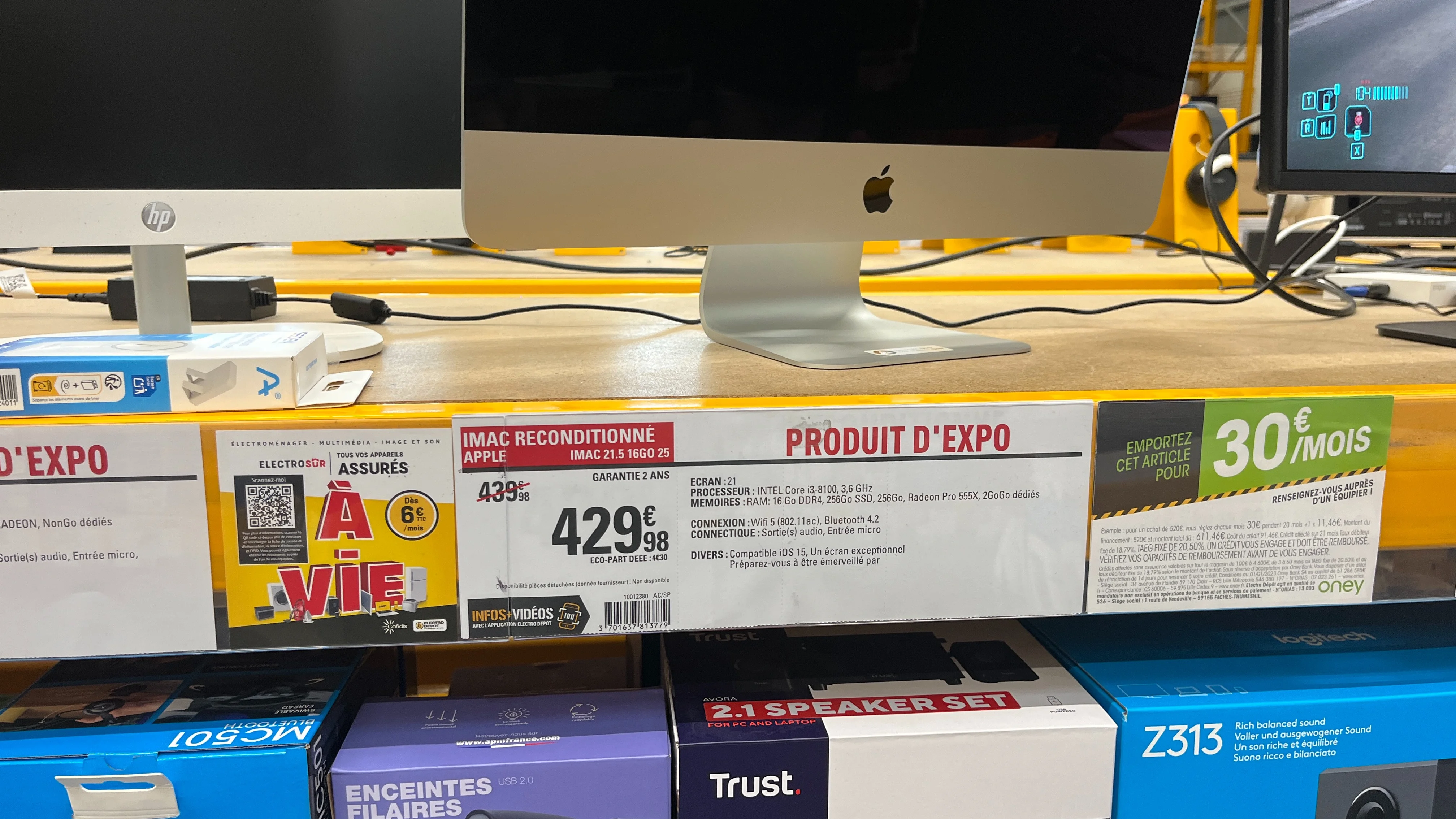
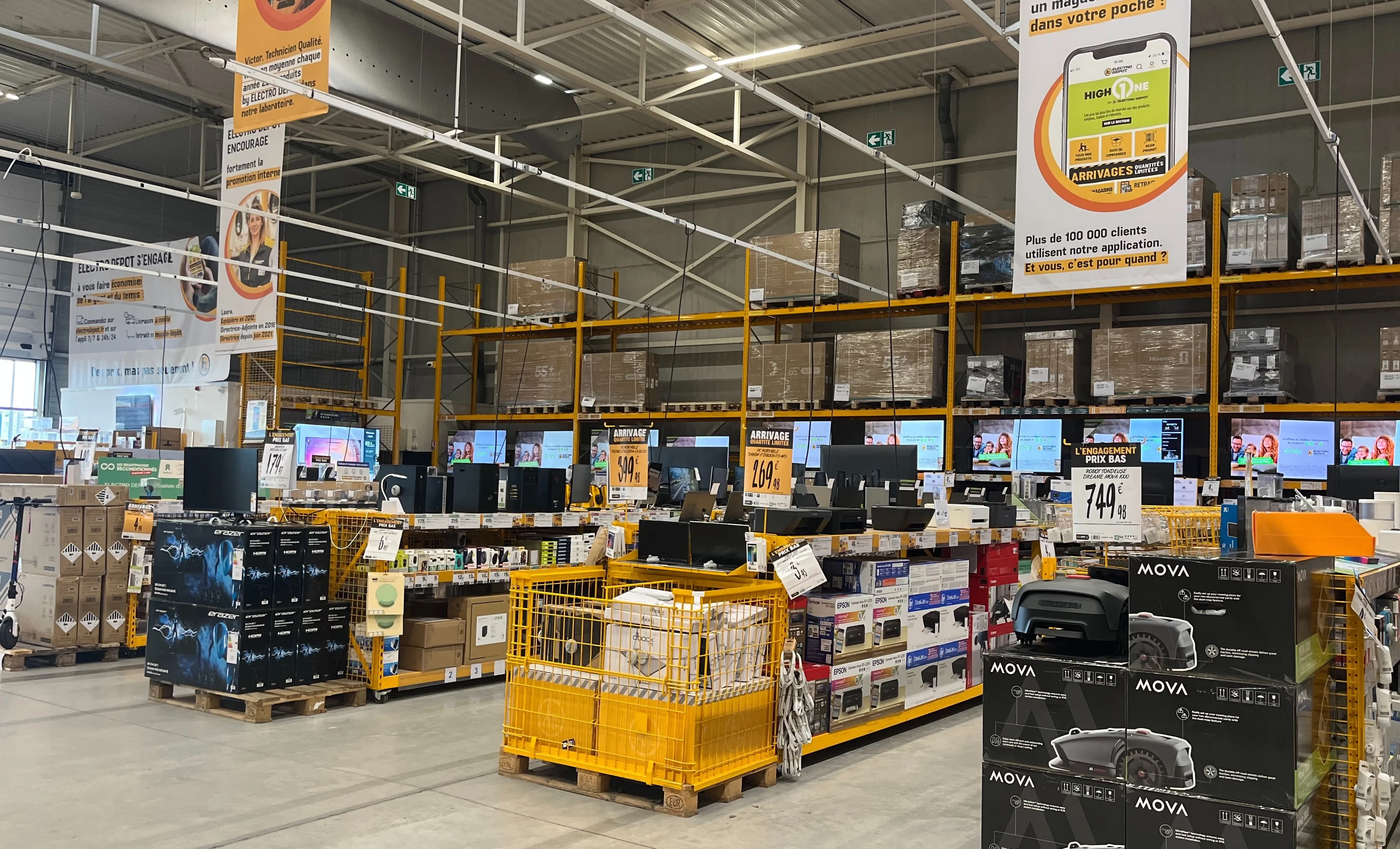
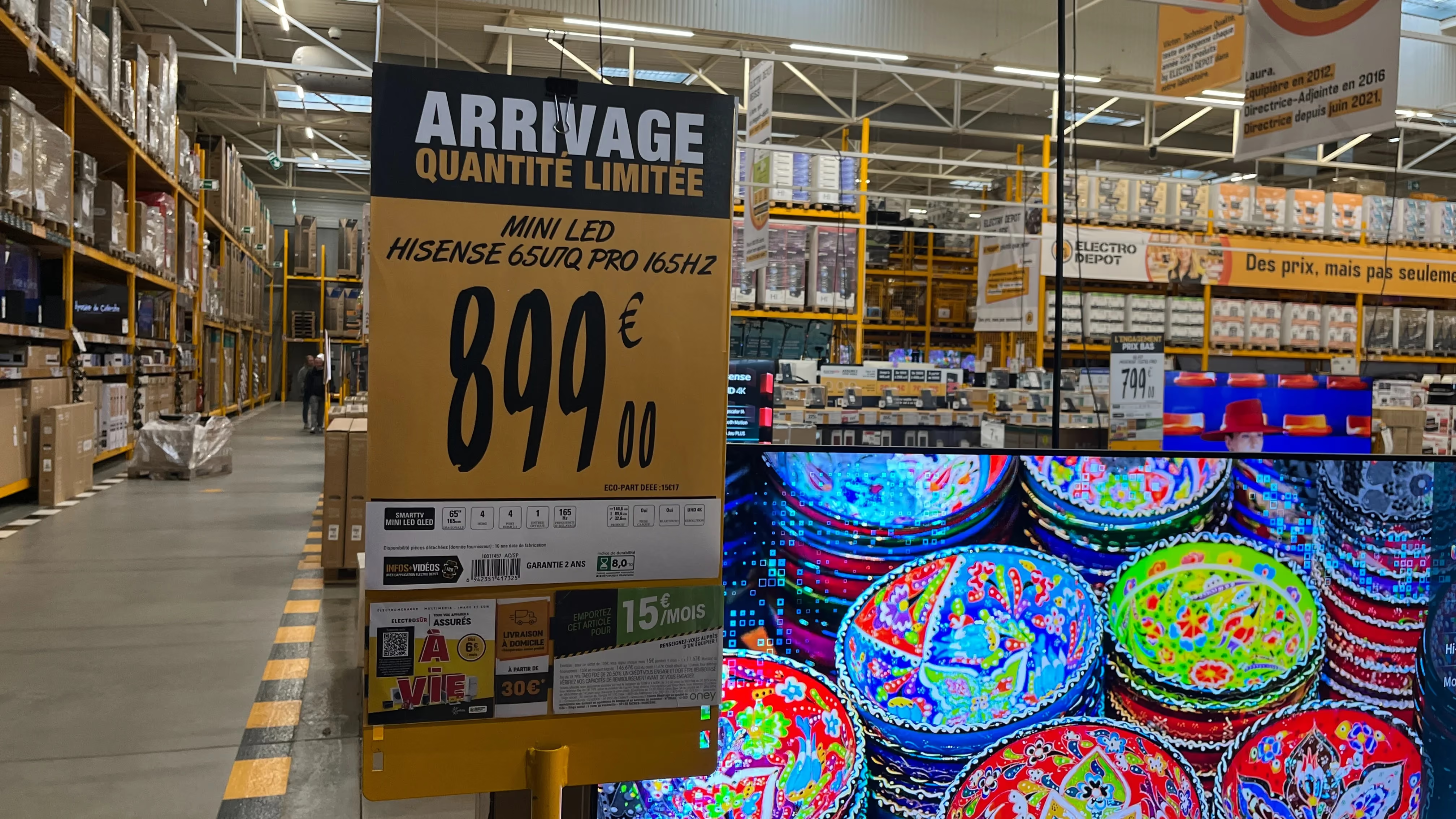
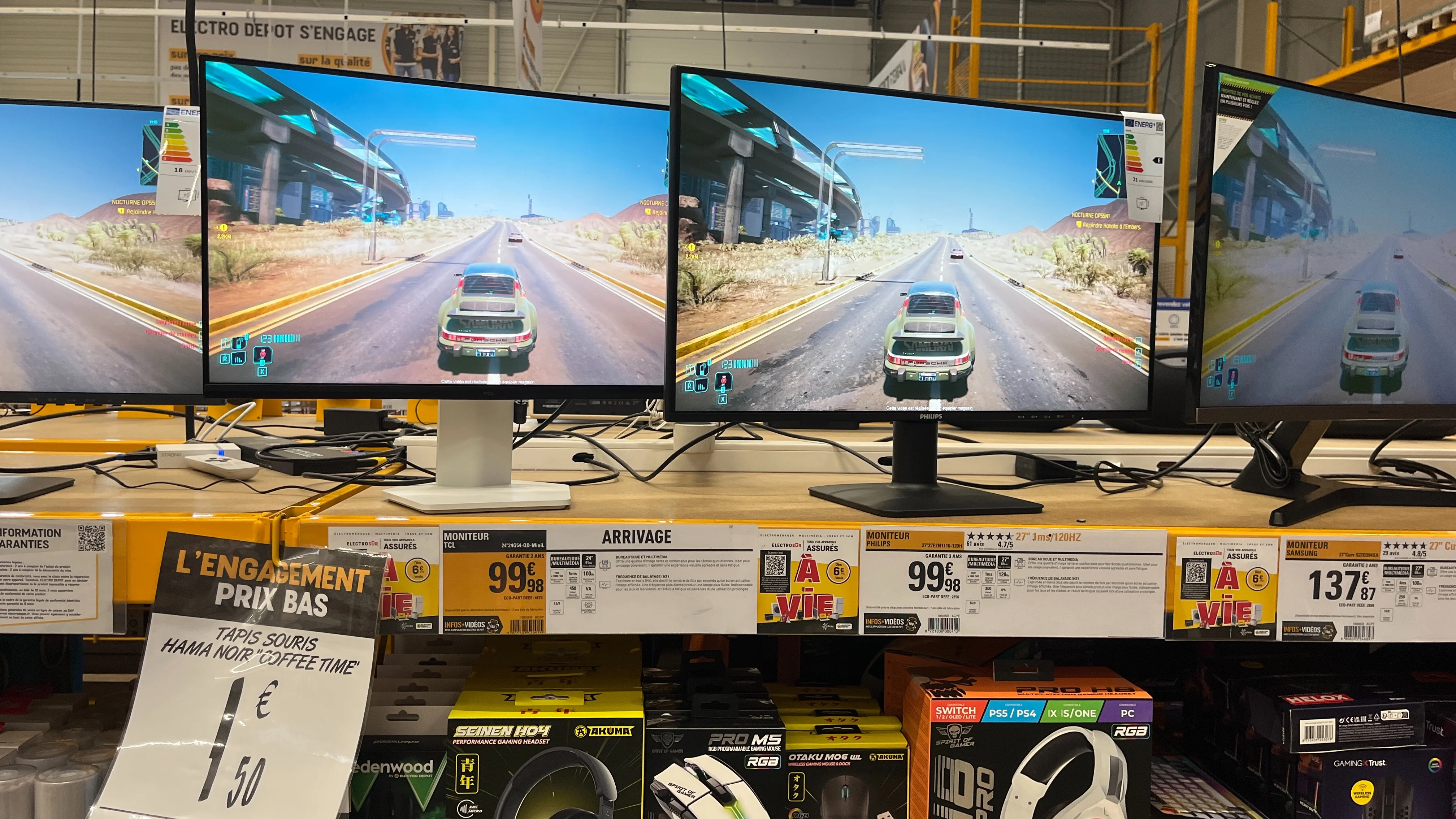
Promotional signage rolled out on the shelf during a retail campaign.
Thousands of price labels and signs generated for a single campaign.
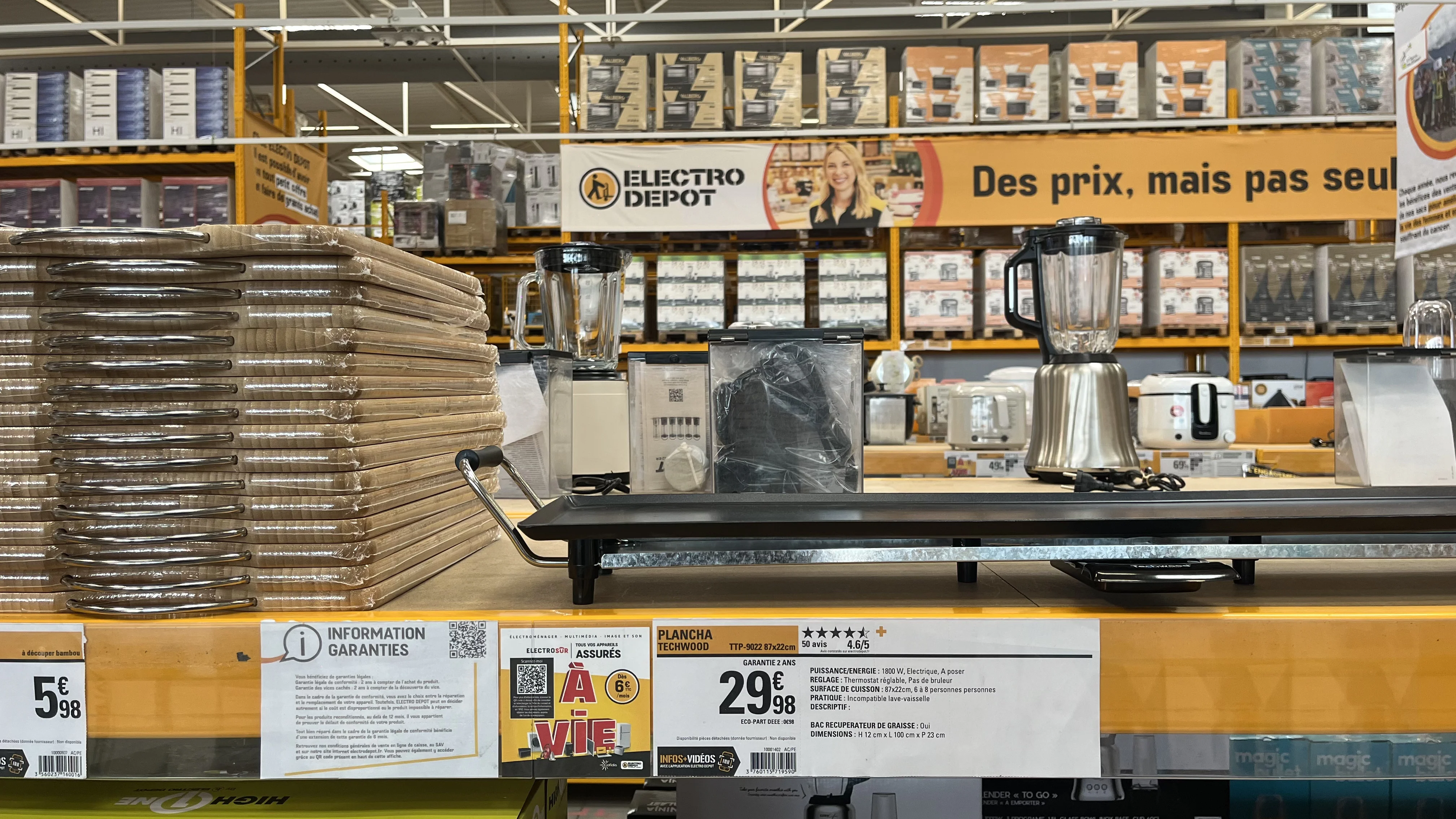
Consistent price and promotional signage across the entire shelf.
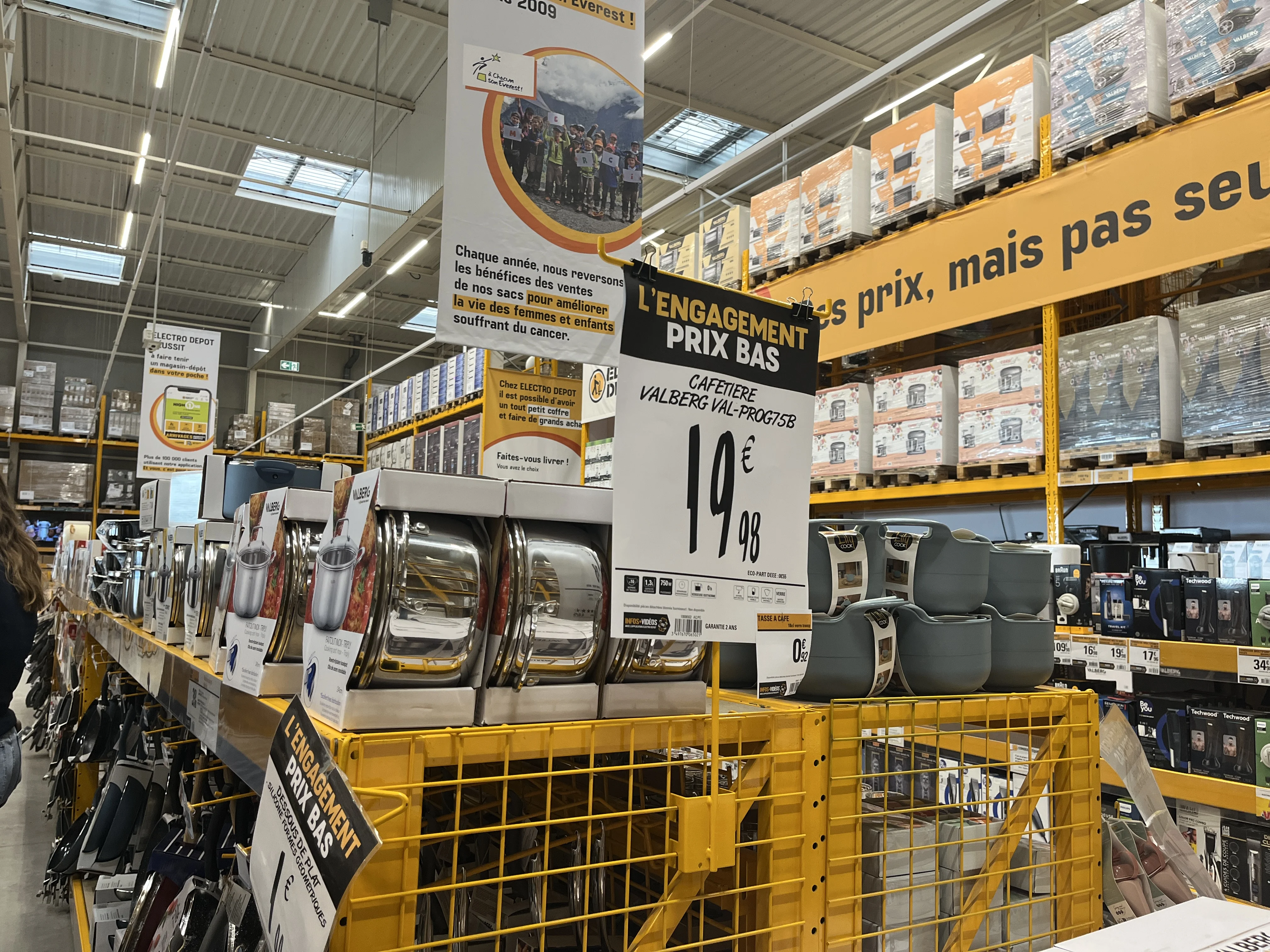
Large format signs on the store's highest impact locations.
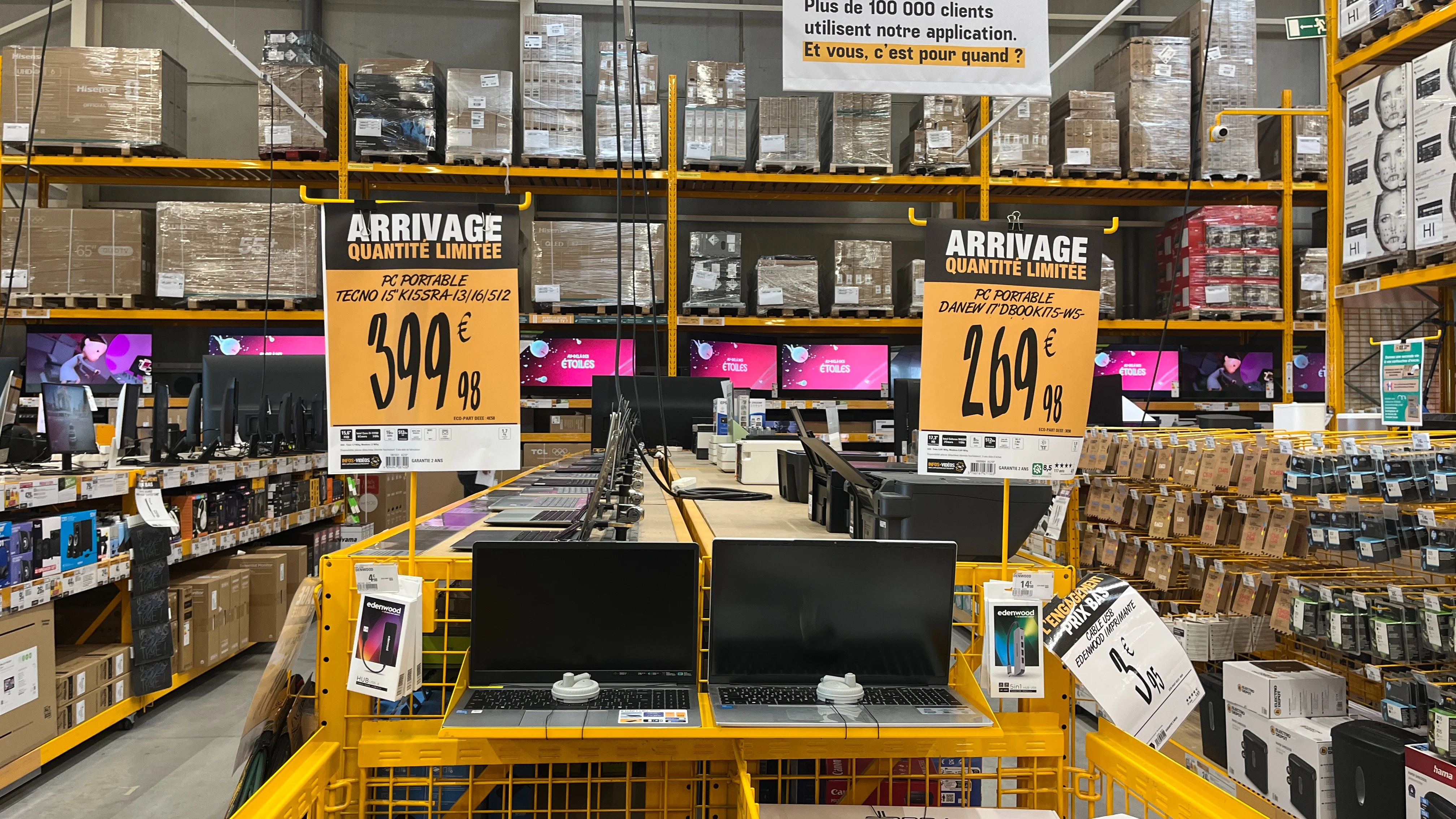
Signage that is up to date and consistent, ready before the doors open.
Why automation handles the peak
Automating signage changes the game because it addresses the root cause of the problem: manual production, one sign at a time. Three mechanisms are at play.
- Mass generation. Using centralized templates and product data, thousands of signs are generated in a single operation, rather than being created one by one.
- Updates at the source. The sale price comes directly from the retailer's systems, ensuring that the sign matches the price actually charged at the register.
- Deployment across the entire network. An operation is launched across all relevant stores at once, without depending on the availability of individual teams.
Manual or automated: handling the peak of sales signage
Planning ahead: preparing for a commercial operation
Managing the peak isn't just about the big day; it's about the preparation. A well-executed operation requires preparing templates in advance, ensuring product data is up to date in your systems, and scheduling the deployment so everything is ready by opening time.
This is precisely where automation brings peace of mind: once templates are approved at headquarters and connected to your data, launching a large-scale operation becomes a simple, repeatable task, even across hundreds of stores simultaneously.
Conclusion: turning a peak into a controlled routine
Sales and Black Friday will always be intense periods. But the burden of signage doesn't have to be a struggle. By moving from manual production to automated, data-driven generation, a retailer can transform a dreaded peak into a controlled, fast, and reliable operation across their entire network.
The real benefit is twofold: accurate prices displayed everywhere at the right time, and teams freed up to focus on what really matters during high-traffic periods—sales and the customer.


